
The textile industry is the backbone of Pakistan’s economy, contributing significantly to exports, employment, and industrial growth. From spinning mills in Faisalabad to weaving units in Karachi, the entire production chain depends heavily on reliable and efficient machinery—and at the heart of that machinery are gear motors.
Choosing the right gear motor is not just a technical decision; it directly impacts production efficiency, energy consumption, maintenance costs, and overall profitability. Whether you are running a large-scale textile mill or a mid-sized manufacturing unit, selecting the best gear motor can give you a competitive edge in 2026 and beyond.
In this complete guide, we will explore everything you need to know about gear motors for the textile industry in Pakistan, including applications, types, selection criteria, and the best solutions available for your business.
Key Applications of Gear Motors in the Textile Industry
Textile manufacturing is a multi-stage process, and each stage requires precise motion control, torque, and speed regulation. Gear motors are widely used across the entire production line.
Spinning Machines
Spinning is one of the most critical stages in textile production. It involves converting raw fibers into yarn using high-speed rotating machinery.
Gear motors used in spinning machines must:
- Maintain consistent speed
- Handle continuous operation
- Deliver high torque at low speeds
A failure in this stage can halt the entire production line, making motor reliability essential.
Looms and Weaving Machines
Weaving machines operate under heavy loads and require synchronized motion to interlace threads into fabric.
Gear motors in looms must provide:
- Smooth operation
- High precision
- Low vibration
Helical gear motors are often preferred here due to their quiet operation and efficiency.
Conveyor Systems
Conveyor systems transport materials such as yarn, fabric rolls, and finished goods across different production stages.
Gear motors used in conveyors should:
- Provide steady speed control
- Handle varying loads
- Operate efficiently over long hours
Dyeing and Finishing Machines
In dyeing and finishing processes, motors must withstand:
- Moisture
- Chemicals
- High temperatures
Durability and corrosion resistance are key factors when selecting motors for this stage.
Types of Gear Motors Used in Textile Industry
Different textile applications require different types of gear motors. Understanding their differences helps you make the right investment.
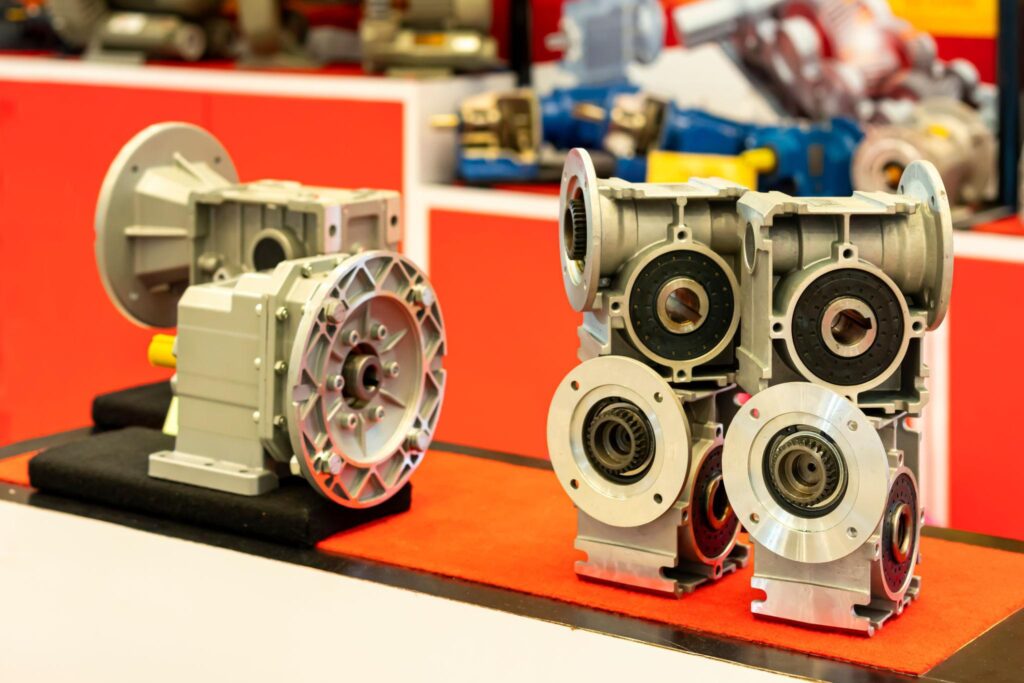
Worm gear motors are widely used in textile machinery due to their compact design and high torque output.
Advantages:
- High torque at low speeds
- Compact structure
- Cost-effective
- Smooth operation
Best for:
- Conveyor systems
- Light to medium load machinery
Helical Gear Motors
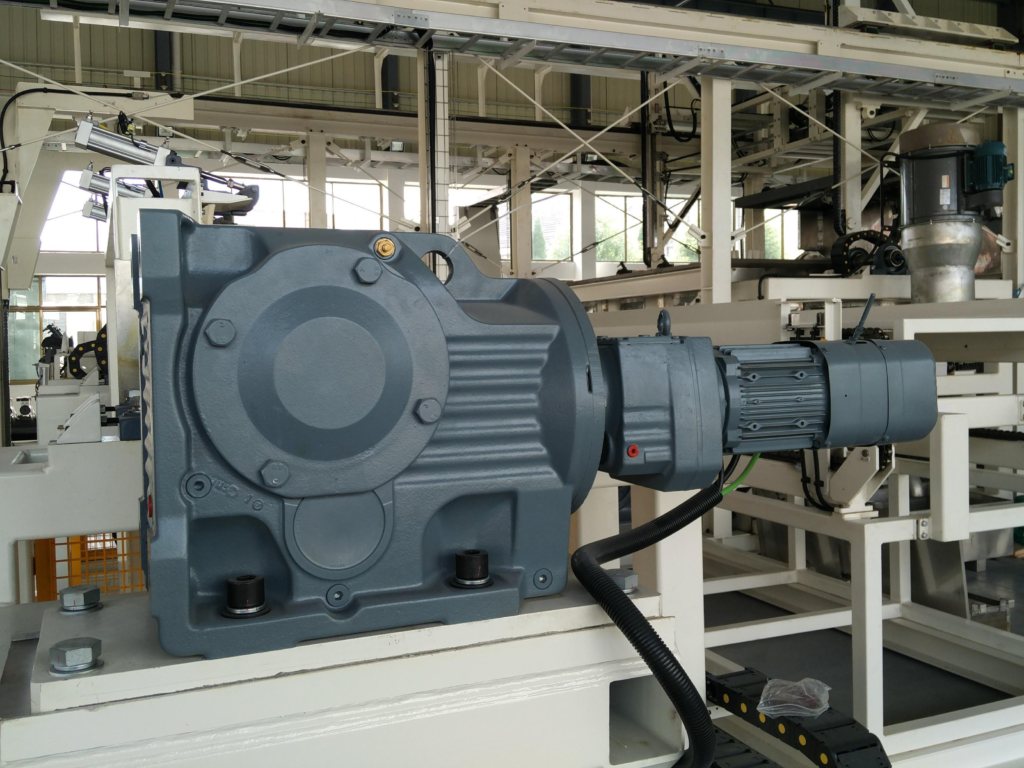
Helical gear motors are known for their efficiency and durability, making them ideal for heavy-duty textile operations.
Advantages:
- High efficiency (up to 95%)
- Low noise
- Long lifespan
- Suitable for continuous operation
Best for:
- Looms
- Spinning machines
- Heavy-duty applications
Inline Gear Motors
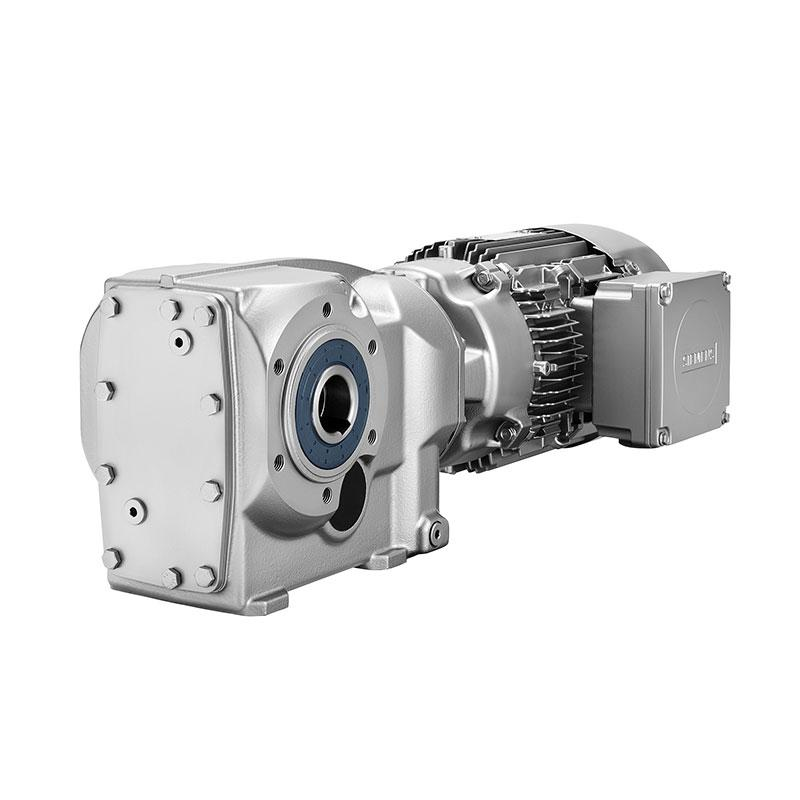
Inline gear motors are designed for applications where space and alignment are important.
Advantages:
- Space-saving design
- High efficiency
- Easy installation
Best for:
- Automated textile systems
- Packaging lines
How to Choose the Right Gear Motor for Textile Applications
Selecting the right gear motor requires careful consideration of several technical factors. Making the wrong choice can lead to inefficiency, breakdowns, and increased costs.
Torque Requirements
Torque is the most important factor when selecting a gear motor.
- Heavy machinery requires high torque motors
- Light applications can use lower torque options
Always calculate the required torque based on:
- Load weight
- Speed requirements
- Application type
Speed Control
Different textile processes require different speeds.
- Spinning machines need high speed
- Conveyors require controlled speed
Using a Variable Frequency Drive (VFD) can help adjust motor speed efficiently.
Load Capacity
Textile machinery often runs continuously under varying loads.
Choose a motor that:
- Handles peak loads
- Maintains efficiency under stress
Environmental Conditions
Textile factories can have:
- Dust
- Heat
- Humidity
Your motor should be:
- Dust-resistant
- Heat-tolerant
- Durable
Recommended Gear Motor Solution for Textile Industry
When it comes to reliability and performance, choosing the right supplier is just as important as choosing the motor itself.
One of the most practical and widely used solutions in Pakistan is the:
Worm Gear Motor from MV Power Drive
This gear motor is highly suitable for textile applications due to its:
Key Features:
- High torque output for heavy textile machinery
- Compact design for easy installation
- Energy-efficient performance
- Durable construction for long-term use
Ideal Applications:
- Conveyor systems
- Spinning machines
- Material handling equipment
By integrating this type of gear motor into your textile operations, you can significantly improve efficiency, reduce downtime, and lower maintenance costs.
Why Pakistani Textile Industry Needs High Efficiency Motors
The textile industry in Pakistan faces several challenges, including rising energy costs, inconsistent power supply, and increasing global competition.
Rising Energy Costs
Electricity is one of the biggest operational expenses in textile manufacturing.
Using energy-efficient gear motors can:
- Reduce power consumption
- Lower electricity bills
- Improve profit margins
Continuous Operation Demands
Textile factories often run 24/7 operations.
This requires motors that:
- Are highly reliable
- Require minimal maintenance
- Deliver consistent performance
Global Competition
Pakistan competes with countries like China, India, and Bangladesh in textile exports.
To stay competitive, manufacturers must:
- Improve efficiency
- Reduce costs
- Maintain quality
High-performance gear motors play a crucial role in achieving these goals.
Common Problems in Textile Motors (And Solutions)
Even the best motors can face issues if not properly selected or maintained.
Overheating
Cause:
- Overloading
- Poor ventilation
Solution:
- Use correctly rated motors
- Ensure proper cooling
Frequent Breakdowns
Cause:
- Low-quality motors
- Improper installation
Solution:
- Invest in high-quality gear motors
- Use professional installation services
High Energy Consumption
Cause:
- Inefficient motors
- Lack of speed control
Solution:
- Use energy-efficient motors
- Install VFDs
Future Trends in Textile Motor Technology
As the textile industry evolves, so does motor technology.
Smart Motors
Integration with IoT allows:
- Real-time monitoring
- Predictive maintenance
Energy-Efficient Systems
Modern motors are designed to:
- Reduce energy consumption
- Improve sustainability
Automation Integration
Motors are becoming more compatible with:
- Automated systems
- Smart factories
Final Thoughts
Choosing the right gear motor for your textile business in Pakistan is a critical decision that affects productivity, efficiency, and profitability.
From spinning and weaving to finishing and packaging, every stage of textile production relies on high-quality, reliable gear motors.
By selecting the right type of motor—whether worm, helical, or inline—and partnering with a trusted supplier like MV Power Drive, you can ensure smooth operations and long-term success.
Get the Right Gear Motor for Your Textile Business
If you are looking for high-performance gear motors for textile industry in Pakistan, now is the time to upgrade your equipment.
👉 Contact MV Power Drive today to get expert guidance and the best motor solutions tailored to your needs.