
In this guide, we compare helical vs worm gear motor performance, efficiency, and applications to help you choose the right solution. Selecting the right gear motor is a critical decision for any industrial operation, especially in sectors like textile, cement, packaging, and manufacturing where performance, efficiency, and durability directly impact productivity. Among the most commonly used gear motors are helical gear motors and worm gear motors, both of which serve distinct purposes depending on the application.
Understanding the differences between these two types of gear motors can help engineers, factory owners, and procurement teams make informed decisions that reduce costs, improve efficiency, and ensure long-term reliability. In this guide, we will explore how helical and worm gear motors work, their advantages, limitations, and which one is best suited for your industrial needs.
What is a Helical Gear Motor?
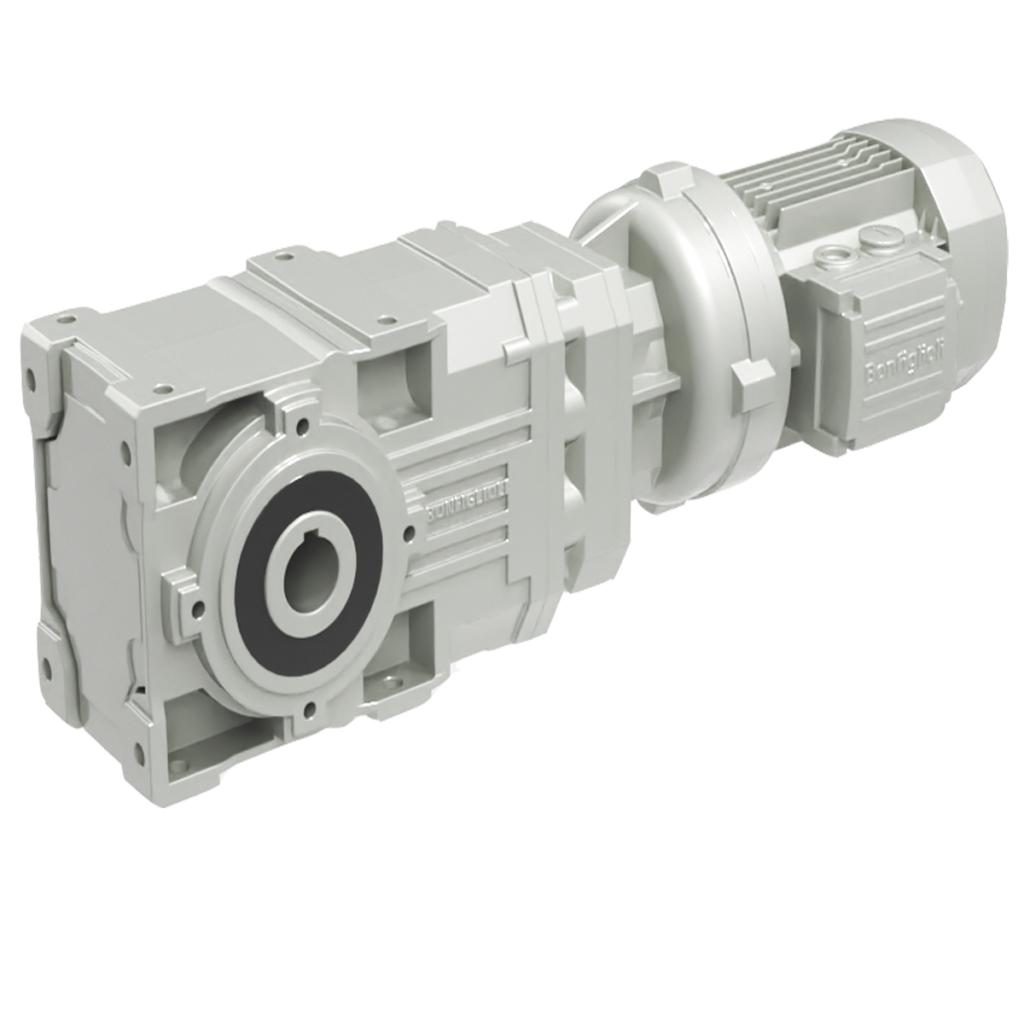
A helical gear motor uses gears with teeth that are cut at an angle, allowing them to engage more gradually compared to straight-cut gears. This angled design results in smoother operation, reduced noise, and higher efficiency, making helical gear motors one of the most widely used solutions in modern industrial applications.
The design of helical gears allows multiple teeth to be in contact at the same time, which distributes the load evenly and reduces wear and tear. This makes them particularly suitable for heavy-duty operations where machines need to run continuously for long hours without failure.
Key Advantages of Helical Gear Motors
Helical gear motors are known for their high efficiency, often reaching up to 90–95 percent, which makes them ideal for industries looking to reduce energy consumption. Their smooth and quiet operation is another major benefit, especially in environments where noise reduction is important. Due to their design, they also offer a longer lifespan and require less frequent maintenance compared to many other gear motor types.
What is a Worm Gear Motor?
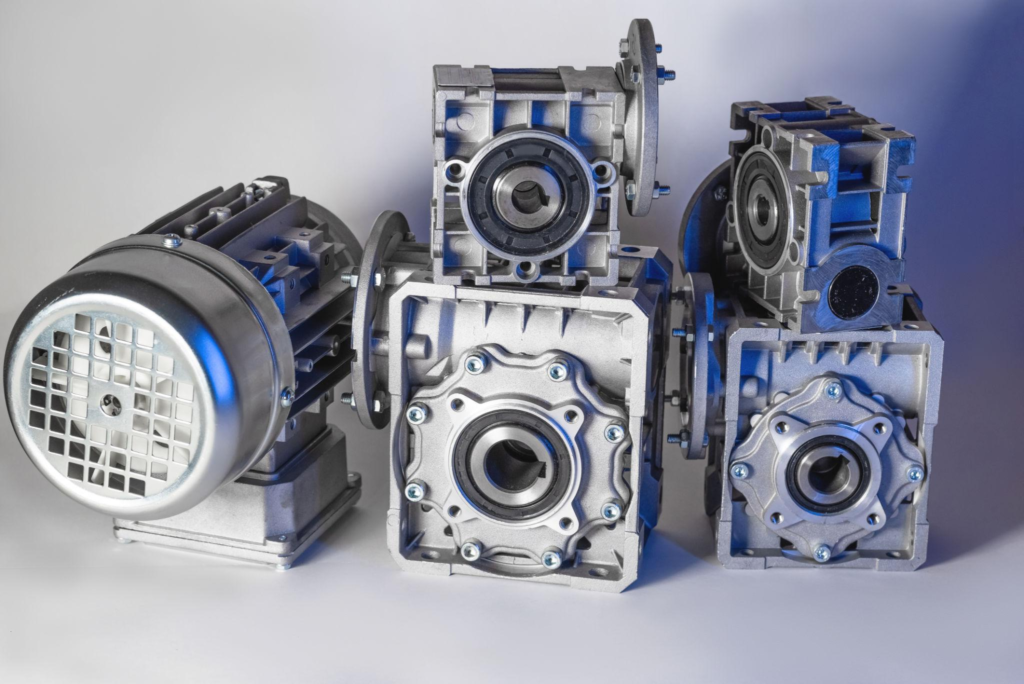
A worm gear motor consists of a worm (a screw-like component) and a worm wheel. When the worm rotates, it moves the gear, creating motion with a high reduction ratio. This design allows worm gear motors to produce high torque while operating at low speeds.
One of the defining characteristics of worm gear motors is their ability to provide a self-locking mechanism in certain configurations. This means that the motor can prevent reverse motion, which is particularly useful in applications where holding a load in position is required.
Key Advantages of Worm Gear Motors
Worm gear motors are compact and cost-effective, making them a popular choice for small to medium-scale industrial applications. Their ability to deliver high torque at low speeds makes them ideal for conveyors, lifts, and material handling systems. Additionally, their simple design allows for easy installation and integration into existing systems.
Helical vs Worm Gear Motor: Key Differences
Understanding the core differences between these two motor types is essential for selecting the right solution for your business.
Efficiency and Energy Consumption
Helical gear motors are significantly more efficient than worm gear motors due to their rolling contact design, which minimizes friction. This results in lower energy consumption and reduced heat generation. In contrast, worm gear motors operate with sliding contact between the worm and the gear, which increases friction and leads to energy losses.
For industries where energy efficiency is a priority, such as large textile mills or cement plants, helical gear motors are often the preferred choice.
Torque and Load Handling
Worm gear motors excel in applications requiring high torque at low speeds. Their design allows them to handle heavy loads with ease, making them suitable for lifting equipment and conveyors. Helical gear motors, on the other hand, are better suited for applications that require consistent performance under continuous loads.
Noise and Smooth Operation
Helical gear motors operate much more smoothly and quietly due to the gradual engagement of their angled teeth. This makes them ideal for environments where noise reduction is important. Worm gear motors tend to produce more noise due to their sliding contact mechanism, although this may not be a major concern in heavy industrial settings.
Durability and Maintenance
Helical gear motors generally have a longer lifespan because of reduced friction and better load distribution. They require less maintenance over time, making them a cost-effective long-term investment. Worm gear motors, while durable, may require more frequent maintenance due to higher wear and heat generation.
Cost Consideration
Worm gear motors are typically more affordable upfront, making them attractive for businesses with budget constraints. Helical gear motors, although more expensive initially, offer better efficiency and durability, which can result in lower operational costs over time.
Which Gear Motor is Best for Textile Industry?
In the textile industry, where machines often run continuously and require precise control, the choice between helical and worm gear motors depends on the specific application.
Helical Gear Motors in Textile Industry
Helical gear motors are ideal for spinning machines, looms, and other high-speed applications where efficiency and smooth operation are critical. Their ability to operate quietly and handle continuous loads makes them a preferred choice for large textile factories aiming to maximize productivity.
Worm Gear Motors in Textile Industry
Worm gear motors are commonly used in conveyor systems and material handling equipment within textile units. Their compact design and high torque output make them suitable for applications where space is limited and heavy loads need to be moved at controlled speeds.
A reliable option for such applications is the worm gear motor offered by MV Power Drive, which is designed to deliver consistent performance in demanding industrial environments.
How to Choose Between Helical and Worm Gear Motors
Choosing the right motor depends on your operational requirements, budget, and long-term goals. If your priority is energy efficiency, smooth operation, and long-term durability, a helical gear motor is the better investment. On the other hand, if you need a compact, cost-effective solution for high torque applications at low speeds, a worm gear motor is a practical choice.
It is also important to consider factors such as load requirements, operating environment, and maintenance capabilities before making a decision. Consulting with an experienced supplier like MV Power Drive can help you select the most suitable motor for your specific application.
Final Thoughts
Both helical and worm gear motors play a vital role in industrial operations, and each has its own strengths and limitations. The key to making the right choice lies in understanding your application requirements and aligning them with the capabilities of each motor type.
Helical gear motors stand out for their efficiency, durability, and smooth performance, making them ideal for high-demand industrial environments. Worm gear motors, on the other hand, offer a compact and cost-effective solution for applications requiring high torque and controlled motion.
By selecting the right gear motor and working with a trusted supplier like MV Power Drive, businesses in Pakistan can improve operational efficiency, reduce downtime, and achieve long-term success in competitive industries.